


How TV Screening Lowers Your Natural Blink Rate

Author: itone | 2026-03-31
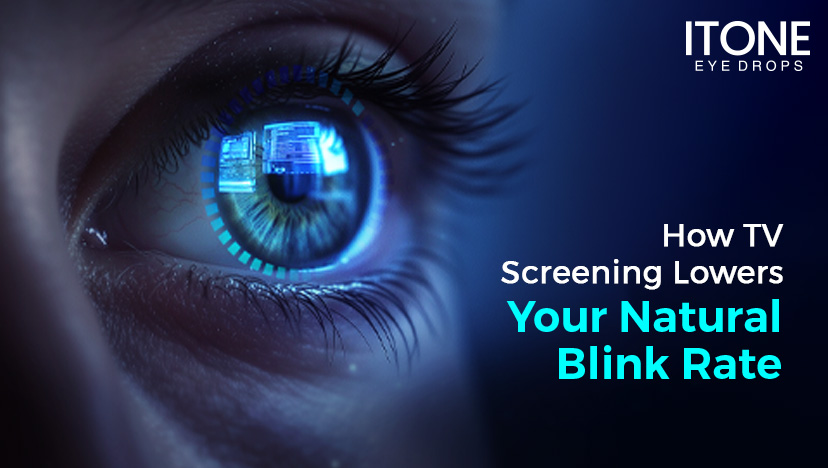
Hours after intense viewing of television programs, people experience ocular dryness, irritation, or fatigue. Exposure to screens has been known to cause a substantial reduction in the number of blinks. This reduction is from the regular 15-20 blinks per minute to as low as 5-7 blinks per minute, representing a 60% reduction. (Source)
In India, the average person watches television for three hours and forty-three minutes every day, which has remained consistently high. According to research, there is a 40% increase in TV screen time during the summer holidays. This happens because families and students have more time to watch TV series, films and the Indian Premier League (IPL).
This discussion focuses on the pattern of blinking, including preventive measures, in reducing digital eye strain. These are the fundamental preventive measures used in promoting eye health in the digital age.
What Is a Natural Blink Rate?
A natural blink rate can be defined as the rate at which the eyes naturally close. 15 to 20 blinks per minute on average are normal. Blinking has several functions that are very important to the eyes. Blinking hydrates the eyes with a protective tear film that covers the cornea. It helps the stability of the tear film to prevent desiccation.
Furthermore, it helps in the elimination of dust that gets into the eyes, thus preventing irritation and infection. Reducing the rate at which the eyes blink during screen viewing or excessive TV viewing impairs the defensive mechanism. The rate of tear evaporation may be high, thus making the eyes dry.
How TV Screening Lowers Your Natural Blink Rate
Digital eye strain and tear film instability can result from watching TV or digital screens, which drastically reduces the blink rate.
Cognitive focus: Blink rate decreases by 60–65% during engaging content, from 15–20 to 5–7 blinks per minute. Studies have shown a 61% decline in just one hour. (MDPI, 2023).
Constant engagement: The high contrast and rapid scene changes cause extended periods between blinks, resulting in dryness and reduced tear coverage.
Incomplete blinks: The use of screens has been linked to incomplete blinks in 40% of cases, leading to poor-quality tears and worsening dry eye syndromes. (MDPI, 2023)
Eye relief solutions: Blue light emission from television screens has the potential to cause eye fatigue. For this you need to use eye relaxation drops like ITONE, which can help alleviate eye irritation and dryness.
Consequences of Reduced Blink Rate
Dry eye syndromes:
- Burning sensation
- Redness
- Blurred vision
Digital eye Strain:
- Gritty feeling
- Eye fatigue
- Headaches
- Difficulty focusing
Corneal Ulcer:
- Long‑Term Effects
- Tear film instability
- Increased evaporation rate
- Risk of chronic dry eye
How to Keep Your Blink Rate Healthy
Extended use of TVs and screens reduces the rate at which the eyes blink, which causes the tear film to become unstable and increases digital eye strain. According to research, these effects can be lessened by focused interventions.
Adhere to the 20–20–20 Rule
Focus for 20 seconds on an object 20 feet away every 20 minutes. This promotes ocular hydration and comfort by lowering accommodative strain and assisting in the restoration of blink frequency.
Engage in Conscious Blinking
Partial blinks are less effective at restoring tear distribution than slow, full blinks. When performing high-attention screen tasks, regular conscious blinking preserves the quality of the tear film.
Optimise the Screen Configuration
Keep the screen at eye level, minimise glare, and maintain the appropriate viewing distance. By modifying contrast and brightness, strain is reduced, and the tear film is stabilised.
Use Eye Relaxation Drops
ITONE eye drops, a trusted solution for digital eye strain, help to soothe your eyes, improve natural blinking, and relieve dryness. Its herbal ingredients like Tulsi, Swet Chandan, Stapatri, Bhringraj, etc help to soothe your eyes and provide optimal eye health.
Your TV Time Shouldn’t Cost Your Eye Comfort
While watching television for extended periods of time may be relaxing, studies show that it can cause a significant decrease in your blinking rate. This could increase the risk of dry eyes and digital eye strain.
It is therefore advised that you take regular breaks from watching TV, blink, and maintain a comfortable distance from your eyes. You can use ITONE eye relaxation drops, which are regarded as one of the best eye drops for digital eye strain, to keep your eyes hydrated while you watch TV.
FAQs
Does a TV Screen Affect the Eyes?
Indeed, it does affect our eyes to some extent. We don’t blink as much as we should when we are seated close to a screen. This does cause irritation in our eyes. The brightness of the screen and the high contrast between colours also cause eye strain. Therefore, it is always a good idea to take care of our eyes and use eye relaxation drops and such.
Why Do Screens Make You Blink Less?
According to research, when people read or stare at something on a screen, they tend to blink at least half to two-thirds fewer times compared to other activities. This happens because the brain blocks the blinking reflex to concentrate on what they are seeing.
Is TV Better than an iPad for Eyes?
In general, watching TV is less taxing on the eyes compared to using an iPad because you are further away from the screen, and this makes it easier on the eyes. However, both devices can cause reduced blinking and digital eye strain with prolonged use.
You May Also Like
How TV Screening Lowers Your Natural Blink Rate
TV screens lower eye blink rate and strain eyes. Know if televisions emit blue light and how eye drops for digital eye strain and relaxation help.
How to Ease Digital Eye Strain with ITONE Ayurvedic Eye Drops
Ease digital eye strain naturally with ITONE Ayurvedic Eye Drops. Relieve dryness, redness, and screen fatigue for refreshed, comfortable vision daily.
What Is Screen Time? Eye Impact, Causes & Digital Eye Strain
Understand what screen time is, its causes, and how prolonged exposure leads to digital eye strain. Learn how Itone eye drops help comfort tired eyes.